• Skip to main content
  • Skip to primary sidebar

  • Who We Are
    • Purpose and History
    • Annual Reports
    • Our Guests
    • Board of Directors
    • Staff
  • Programs
    • Supportive Services
    • Main Frame Program
    • Alison’s Boutique
    • Advocacy
    • Partners
  • Get Involved
    • In Their Shoes: Annual Fundraiser
    • News and Events
    • Giving
    • Volunteer
    • #GAgives on #GivingTuesday
    • Careers
  • Blog
  • Contact Us
    • Press
  • Donate

Central Outreach & Advocacy Center

Uncategorized

October 19, 2021 By Central OAC

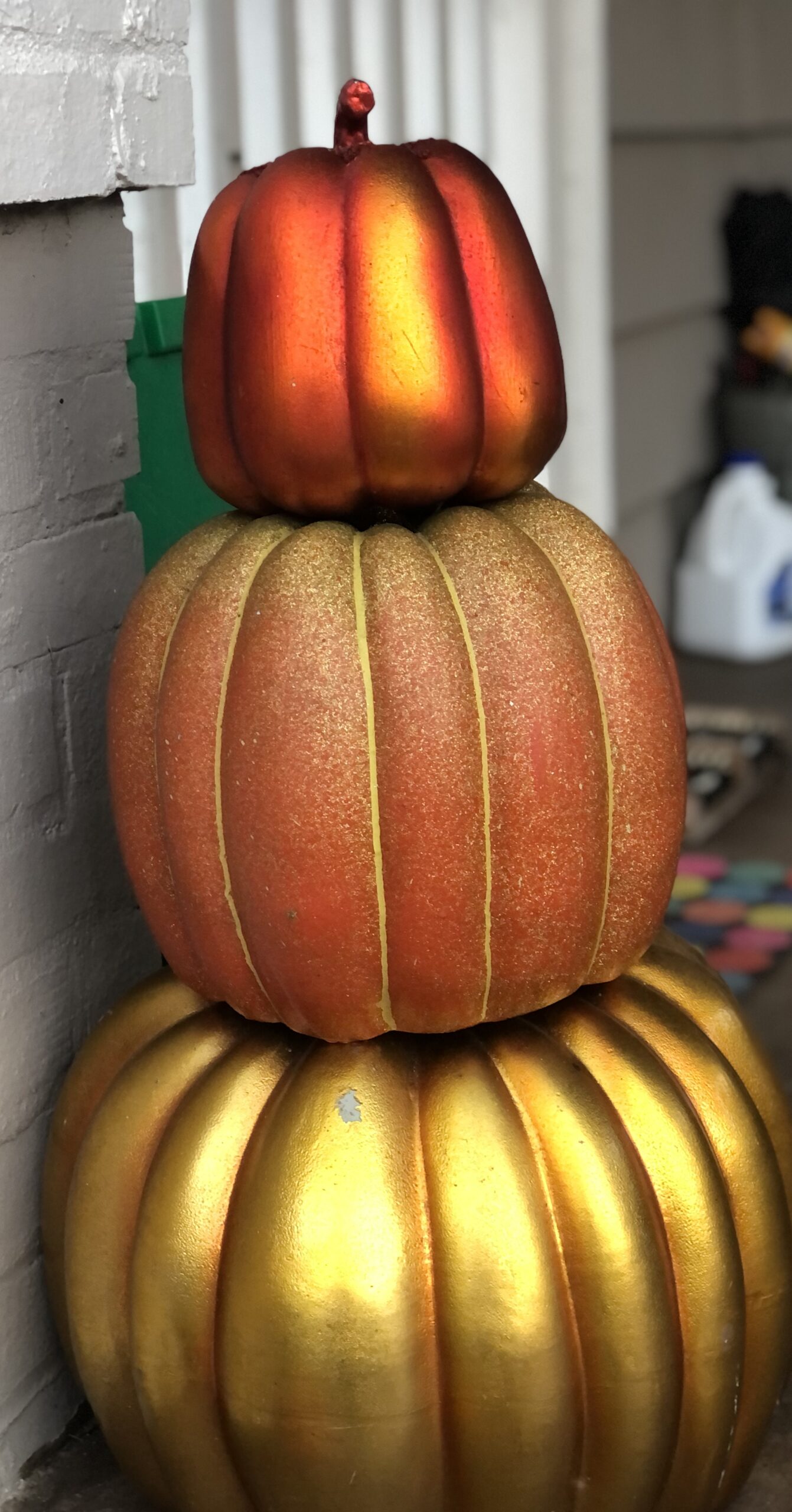
The Changing Seasons: Pumpkins or Panic?

by Amy Kirkland

What does fall mean to you? – besides the obvious pumpkin spice everything! For me, it means counting down the days to see the leaves become glorious shades of yellow, red, and orange and then gracefully fall to the ground. Fall means evenings by the firepit enjoying some warm apple cider or mulled wine. Fall means pulling out my favorite long sleeve t-shirt or a puffy vest for those particularly chilly mornings.

But for many of our guests experiencing homelessness, the changing of the seasons means something very different.  Initially, those cool nights give some relief from the sweltering heat of the summer. However, the chill in the air soon gives way to a need for many things – many things our guests experiencing homelessness do not have the means to hold onto from season to season. Most of us take for granted the cedar chests, hall closets, and storage tubs we use to hold all the warm things we need. We just have to remember where we put those thick socks, gloves, scarves, hats, hoodies, and extra blankets in order to stay nice and cozy.  Our guests, though, are in search of all of these items as each season changes. And it’s not just about gathering up all of the items to stay warm; they are also burdened with hauling them around as the cool nights give way to warm afternoons (like the one we’re having today) as they wait for the next cool night.  Getting all of the things they need takes time and patience. Often, all that they can do is hope that there will be folks offering up all the items necessary to stay warm. Even if they find the right clothing closet or church, will there be enough? Will they be in the right place at the right time to receive these necessities?   
In my house, fall also brings about the debate as to when it’s the right time to turn off the AC and turn on the heat. We can always choose and adjust day by day to meet our desires.  For guests experiencing homelessness, though, AC and heat only exist at places they receive a meal, get services, or sleep for a night.  A shelter can seem like a simple solution to us, right? As fall turns to winter, many places open up cold weather shelters and warming stations. However, COVID caused many winter shelters to stay closed last year. Things seem to be getting better, but what will be available this season is still up in the air at many places. The weather and the elements are mostly bearable right now, but it’s certainly weighing heavily on our guests, if the places that were open in 2019 will all re-open for 2021. 

So, as you wait in line for your favorite warm fall beverage or debate over hot caramel apple cider vs. pumpkin spiced latte, practice gratitude for all of the choices you can make. Take a few moments to think about what you can do to help those experiencing homelessness feel some relief this fall.

 

Filed Under: Uncategorized

September 22, 2021 By Central OAC

Perseverance and Resilience

by Ahren Cassinari-Foster

Almost a year and a half ago, our world was turned upside down.  The pandemic forced all of us to make changes to our daily lives. At the OAC, we had to rethink the ways we provided services to our guests, including a full two-week shutdown, as per City of Atlanta guidelines.  While this shutdown impacted all of our guests dramatically, it also meant we had to shut down the Main Frame program mid-class.  As we are all painfully aware, the pandemic has continued to grow, which means we have not been able to reconvene our regular Main Frame classes.  For most people, including the majority of the people in that interrupted class, a pandemic-driven shut down of the class was enough to push them to move on and forget about the program.  And who could blame them?  But this was not true for one student, Ms. D.  

Ms. D kept in touch with me via email throughout the pandemic, regularly asking when and if the Main Frame would start again.  Soon after we started the new, socially-distanced workshop version of the Main Frame, she contacted me to inquire  how she could be a part of it.  Due to her persistence, we quickly got her scheduled for the next Main Frame workshop sessions, and she completed all three sessions in one week.  Shortly thereafter, she scheduled multiple appointments with me to work in the computer lab on her résumé, talk about possible employment certifications, and review her job options.  

At the end of each Main Frame session, we talk a bit about the character trait of resilience and how to cultivate it.  In retrospect, if I had thought about Ms. D.’s incredible resilience while trying to talk to her class about it, I would have felt fairly silly.  I might have even asked her to tell the class what it means to be resilient. She’s shown time and time again that she’s not going to give up on herself. Despite all she’s endured, even in a pandemic, she continues to use all the resources that are available to her. She jumps at every chance to try something new, learn more skills, or seek opportunities. 

Ms. D. has not yet found employment, but the OAC is able to financially assist her in earning her alcohol service certification in the next few weeks to broaden her opportunities in the service industry.  I’m excited to continue to offer her support as well as hopeful because I know her next success is just around the corner!


Filed Under: Uncategorized

May 19, 2021 By Central OAC

Less Mechanical, More Personal

by Cade Lawson, volunteer and intern

Last month, as I walked out of the OAC for the last time until later this fall, I took a moment to reflect on how things had changed since the last pre-COVID day I remembered.

While it’s true that the pandemic upended the entire social service network in Atlanta, fundamentally changing what our services look like at the OAC, I was most struck by how different my conversations with our guests felt. For the first three years I volunteered, these conversations had been opportunities to listen, learn, and laugh while working with the guest towards a set of common goals. But now, they felt colder and carried a now-familiar air of mutual anxiety that came from sharing a small space with a stranger during the pandemic.

Time that a guest could once spend joking, recounting a life journey, or even crying without fear of judgement had to be occupied by new formalities introduced by COVID-19. Explaining confusing new
procedures at the Department of Drivers Services (DDS), waiting on hold to speak with a SNAP benefits representative, or disinfecting the intake area took the place of valuable moments we used to spend making connections with guests. Serving our guests often felt like a less personal, more mechanical experience. Of course, sitting 10 feet away from guests and wearing a mask did not help the situation either. It is difficult to build trust or convey a desire to listen using only the eyes.

Perhaps the best illustration of this post-COVID mood is the fact that what was once the OAC’s art room, a place for guests to enjoy a moment of peace and creativity, had instead become my office. As one of the few rooms large enough to accommodate social distancing, the art room was yet another example of the pandemic sucking the air out of the things in life that had once been sources of lightheartedness and leisure.

But in April, I finally saw the first sign that things may be returning to normal. It started with news that the DDS was no longer requiring appointments, a practice that was a frustrating burden to our guests and a time-suck for our intake process. Evidence that we would soon be able to spend more time truly listening to our guests instead of focusing on processes continued when I called the last guest of the day. He was at the OAC to get his Georgia ID, but before we even began he made a remark about my Georgia Tech mask. We joked about the basketball team and started discussing his love for cooking and experience as a baker in Atlanta.

The conversation proceeded from there, until his face darkened and he elaborated on the cause of his current situation: a relapse on drugs and alcohol just two days earlier that had cost him his job, his
home, and his marriage, after four years of sobriety. Through tears he listed the life plans that he and his wife had made, pausing from time to time to repeat the same phrase: “I didn’t mean to.” His tale felt like a confession, as he expressed both guilt and gratitude to have gotten his feelings into the open.

The story was heartbreaking beyond words to hear, but the fact that the guest was willing to share it at all served as reassurance that the OAC still comes across to guests just as it hopes to under the official set of tenets and values: as a place of respect and dignity for all, even at a time when a global pandemic has changed so much about the world.

I believe that one of the most valuable services the OAC provides is the opportunity for people who often feel invisible to have their feelings or stories heard and respected. Maybe people have simply learned to connect with others in spite of COVID-induced barriers to human interaction, maybe loosening restrictions and a quick vaccine rollout have reminded us of normal times once again, or perhaps something totally different is at play.

No matter what the case may be, those experiences at the OAC that day and in the weeks since have left me with a new feeling: that some of the familiar warmth and humanity is returning to our work.


Filed Under: Uncategorized

April 21, 2021 By Central OAC

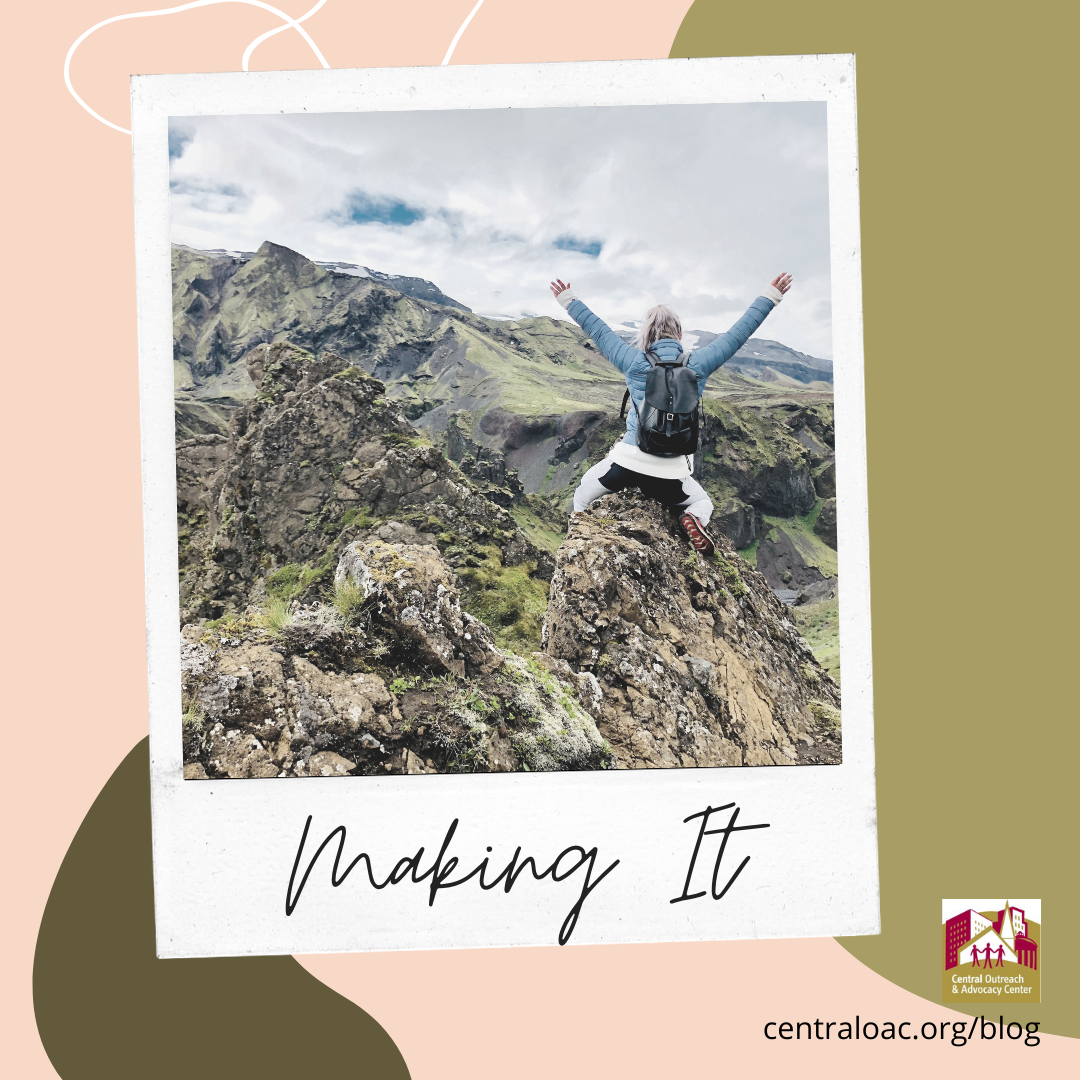
Making It

by Chattrelle Gillyard

It’s been said that if you have to brag about the materialistic things in your life, then there probably isn’t much more to you. In today’s society, social media and advertisements have told us that if we don’t have the latest car, newest clothes, or biggest house then we aren’t “making it in life”. “Making It” can be used as a measurement of success for many. I often find myself searching for how much something costs that I just saw on Instagram or what I would need to do to obtain a better looking car, just so I can fit in with what social media and society portray as “Making It”. It’s hard not to fall into the rabbit hole of wanting new and better things.

I’m quickly brought back to reality, though, when I prepare for a day at the OAC. The guests we serve have a much different definition of “Making It.” For many, it’s as simple as being able to have a meal to eat, a warm place to sleep, or even owning more than 1 pair of shoes. We see guests on a weekly basis who either do not own a pair of shoes, are wearing shoes that are too small or too big, or wearing shoes that are barely holding together. Some have no place to keep their things and root through big garbage bags to find their documents. Others ask for extra snacks because they don’t know how they’ll get their next meal. “Making It” looks so much different for our guests, and it humbles me each time.

It reminds me that life is too short to get caught up in the materialistic things. Nobody is going to speak at my funeral about all of the nice things I had. My car, clothes, or house won’t be the topic of conversation. The small things that make up who I am, such as my compassion, kindness, and ability to make others laugh, are much more important in the long run. “Making It” should be defined as being happy with who you are, being a kinder person, being more selfless, being more compassionate, and living in your truth. “Making It” should actually be measured by what success looks like to you personally, not others.

Whether it’s owning a new car or owning a used car, YOU MADE IT. Whether it’s having several higher education degrees or not going to college so you can support your family, YOU MADE IT. Whether it’s renting an apartment or owning a home, YOU MADE IT. Whether you own 1 pair of shoes or 100 pairs of shoes, YOU MADE IT. If you are able to be in good health, have a stable support system, and have food to eat, Congratulations, YOU MADE IT!

Filed Under: Uncategorized

  • « Go to Previous Page
  • Page 1
  • Interim pages omitted …
  • Page 3
  • Page 4
  • Page 5
  • Page 6
  • Page 7
  • Interim pages omitted …
  • Page 13
  • Go to Next Page »

Primary Sidebar

Follow Us

  • Email
  • Facebook
  • Instagram
  • LinkedIn
  • Twitter
  • YouTube

Central Outreach and Advocacy Center, 201 Washington Street, SW Atlanta, GA 30303, (404) 659-7119